Introduction
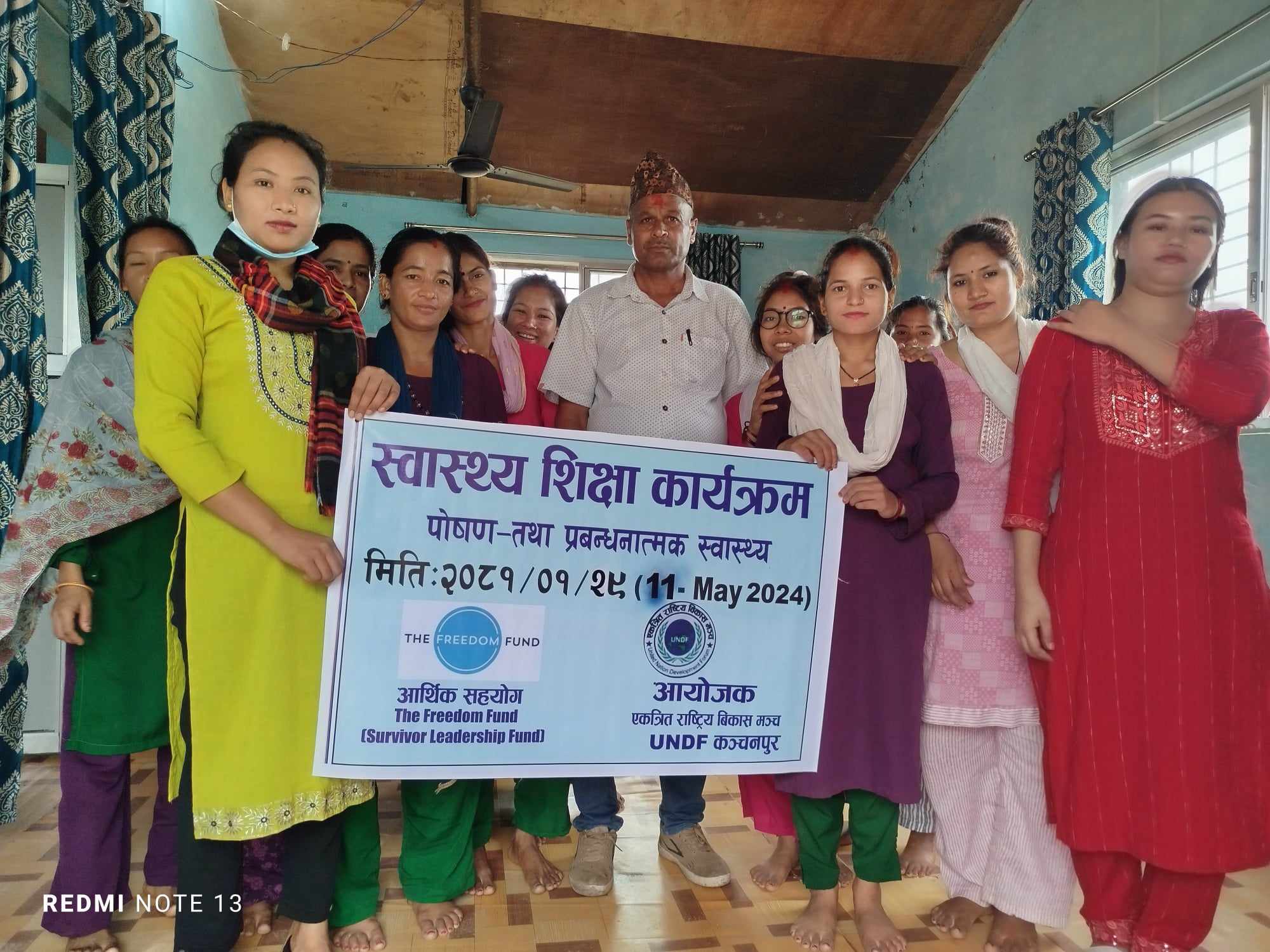
At UNDF Nepal, we recently organized a mobile health camp in the rural community of Ojha Khali Shiver, Kanchanpur, to bring accessible healthcare to underserved populations, including vulnerable groups like survivor women. This initiative, in collaboration with local government bodies, healthcare professionals, and Community Lab Testing (CLT), aimed to address the needs of individuals who often face barriers in accessing regular healthcare. We designed this camp specifically to serve survivor women by providing a complete range of services: health checkups, essential medication distribution, and on-site lab testing, all with the goal of supporting their immediate health and long-term wellness.
Healthcare Services Provided for Survivor Women
Our health camp included a wide range of services tailored to the physical and mental well-being of survivor women, with each service designed to address different aspects of their health needs supported by SLF:
Health Education and Preventive Care
We also held educational workshops to provide survivor women with information on preventive health, hygiene, nutrition, and self-care. By empowering them with knowledge, we aimed to help them make informed decisions about their health and that of their families, creating a foundation for long-term wellness.
Comprehensive Health Checkups
Our doctors and nurses conducted thorough checkups, providing a confidential space for survivor women to share health concerns. This included screenings for chronic illnesses, infections, and other conditions. We offered these assessments free of charge, recognizing that financial barriers often prevent women from seeking regular care.
Medication Distribution
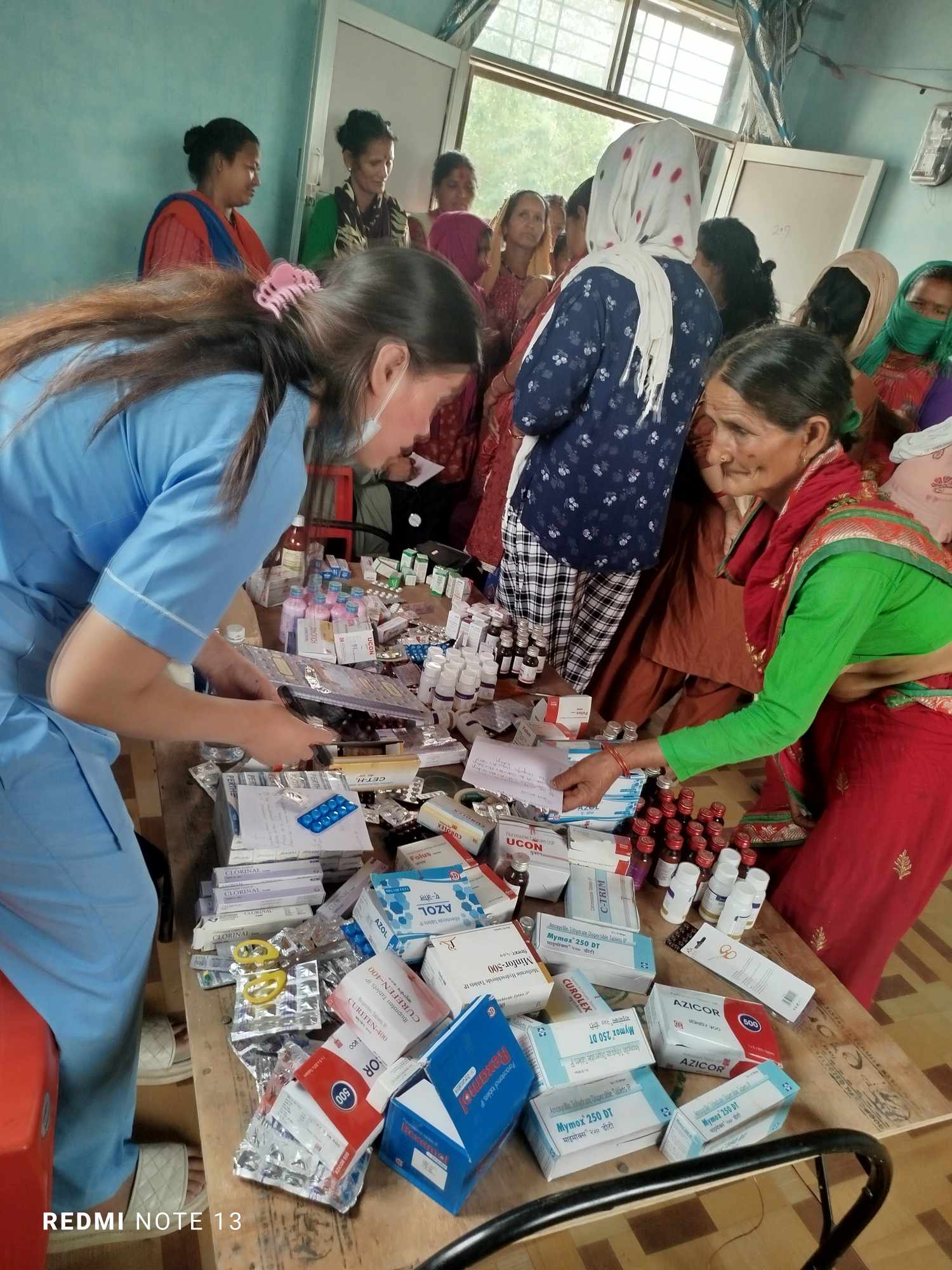
To support the women’s health, we provided medications tailored to their needs, such as treatments for infections, pain relief, and essential vitamins for those facing nutritional deficiencies. Free distribution of these medications allowed us to relieve the financial strain many face in accessing essential treatments.
On-Site Lab Testing by CLT
One of the unique aspects of our camp was the provision of lab testing through our partnership with Community Lab Testing (CLT). We provided screenings for blood sugar, anemia, and other conditions, delivering results immediately so our healthcare team could address urgent health needs on-site. This on-the-spot testing allowed us to identify health issues early and provide referrals for further care when necessary.
Mental Health Support and Counseling
Recognizing the emotional challenges faced by many survivor women, we included mental health counseling in our camp. Our trained counselors offered individual and group sessions, providing a safe space for women to talk about their experiences and receive guidance. Where needed, we referred individuals for long-term mental health support, aiming to support the women’s overall resilience and well-being.
Impact and Outreach
Our mobile health camp provided services to over 300 residents, with a substantial portion of attendees being survivor women who had previously lacked access to healthcare. The community’s response was overwhelmingly positive, with many women expressing gratitude for the chance to receive professional medical care at no cost. The camp’s comprehensive support—from health checkups to lab testing and mental health counseling—has had a significant impact on the quality of life and well-being of these women, enabling them to better care for themselves and their families.
Conclusion
Our mobile health camp in Ojha Khali Shiver was more than just a healthcare event; it was a commitment to supporting and uplifting survivor women by providing them with accessible medical care. By offering health checkups, medication, lab testing, and education, we’re working to create healthier, more resilient communities. At UNDF Nepal, we are proud to see the difference this camp has made, and we look forward to continuing this work to ensure that all individuals, especially survivor women, have the healthcare they deserve.